
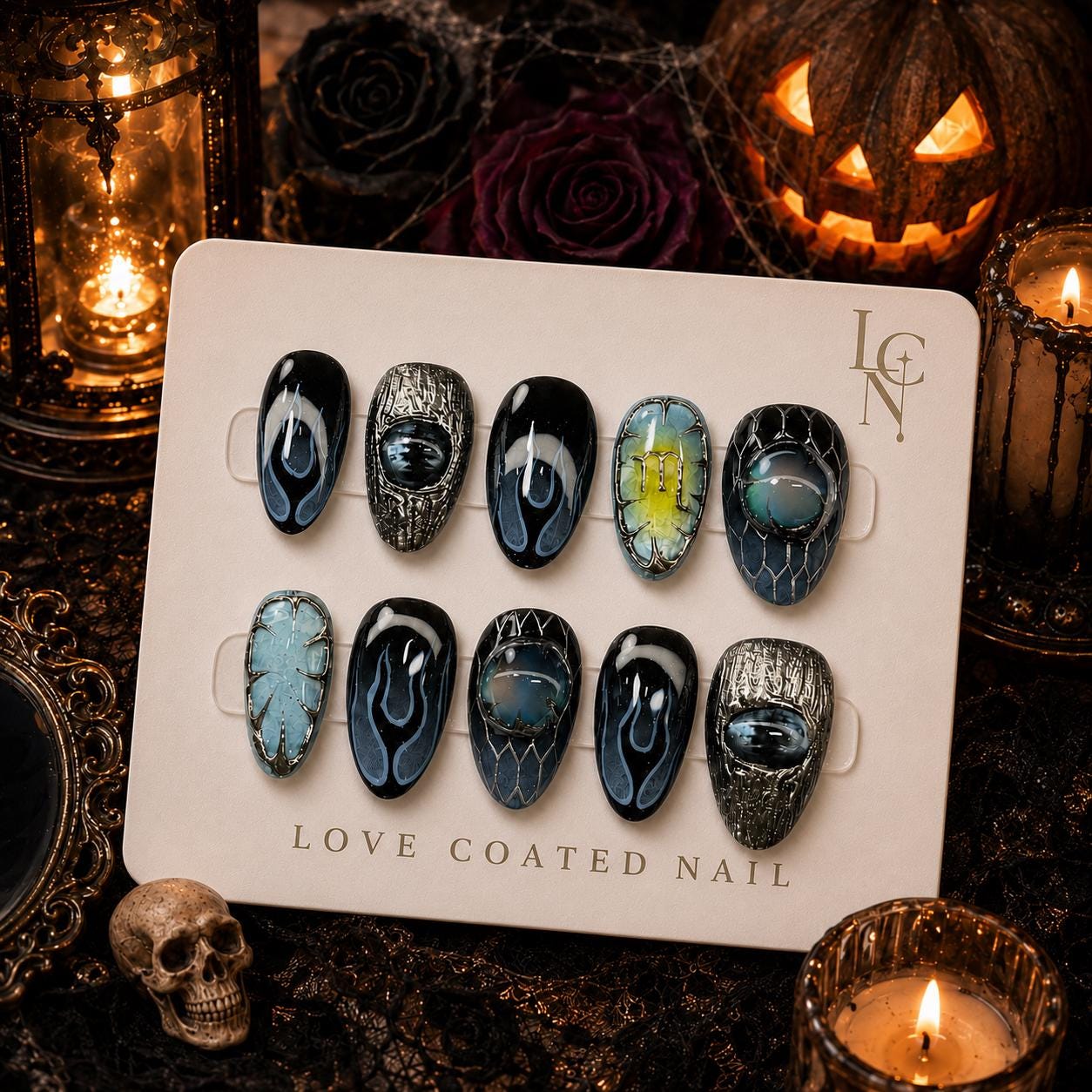
Soft‑gel press‑on nails can be safe for many people with nail‑allergy sensitivities, but safety depends on the specific ingredients in the gel, the adhesive used, and how the nails are applied and cared for. If you have a known sensitivity to certain chemicals, reviewing the composition of the product and testing it on a small area first is essential before committing to a full set.
Understanding Soft‑Gel Materials
Soft gel is a polymer‑based material that cures under UV or LED light to form a flexible yet durable nail tip. The gel typically contains a mixture of monomers, oligomers, photoinitiators, and various pigments. In the case of Love Coated Nail’s Halloween Press‑On Nails, the formulation includes premium soft gel, chrome gel, cat eye gel, jelly gel, UV gel and a top coat. While the base polymer is generally considered low‑irritant, the photoinitiators and pigments can trigger reactions in highly sensitive individuals. For example, some people react to benzoyl peroxide or certain acrylic monomers that may be present in the curing system. Knowing which components are in the gel helps you assess risk.
Common Allergens in Press‑On Nails
Allergic reactions to press‑on nails most often stem from two sources: the gel material itself and the adhesive. Adhesive tabs frequently contain acrylates, which are a well‑documented cause of contact dermatitis. Glue‑based adhesives may contain cyanoacrylate or additional resin compounds that can also be irritating. Even when using the included adhesive tabs, the underlying gel can leach trace chemicals onto the skin, especially if the nail surface is not properly cleaned before application. For users with a history of nail‑allergy sensitivities, opting for a hypoallergenic adhesive—such as a medical‑grade silicone pad—or performing a patch test with the tab on a less visible area of skin can reduce the chance of a reaction.
Patch Testing and Application Precautions
A simple patch test can reveal whether a particular soft‑gel set will cause irritation. Apply a single adhesive tab to a small patch of skin on the inner forearm or behind the ear, then cover it for 24 hours. If redness, itching, or swelling occurs, the product is likely unsuitable. When you move forward with a full application, start with a clean, dry nail surface. Use the alcohol prep pads supplied with the Love Coated Nail set to remove oils and residual debris, as this minimizes the barrier between the gel and the natural nail, reducing the chance of trapped irritants. Apply the tabs or glue sparingly, avoiding excess that could seep onto the cuticle where the skin is most vulnerable.
Choosing the Right Application Method
For allergy‑prone users, adhesive tabs are often gentler than glue because they do not involve chemical curing agents. However, tabs can still contain acrylate polymers. If you prefer glue, select a low‑odor, cyanoacrylate‑free formula and limit the contact time before the nails are set. Some users find that a combination—using tabs for the first few nails to gauge tolerance and switching to glue for longer wear—offers a balanced approach. Regardless of method, allow the nails to breathe between wears; removing them after 1–2 days with the provided adhesive tabs helps prevent prolonged exposure to any potential irritants.