
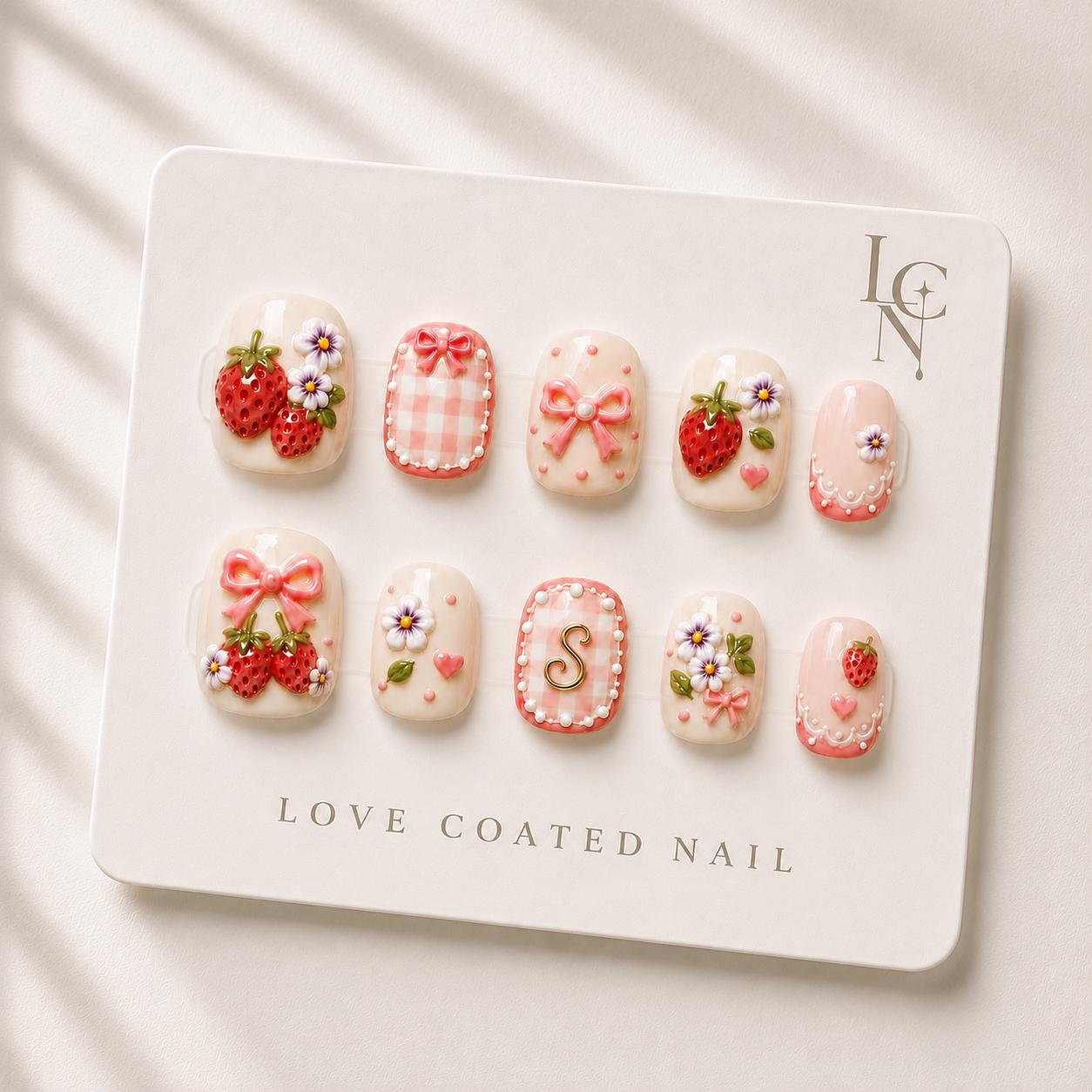
If you use nail glue with the Coquette extra short press‑on set, you can generally expect the nails to stay securely in place for three to four days on a typical weekend getaway, provided you follow proper application steps and avoid extreme moisture or excessive strain.
Understanding Glue Types and Their Impact
Nail glue comes in several formulations, each with a different bonding strength and cure time. The most common options are cyanoacrylate‑based glue, which creates a fast‑acting, strong bond, and resin‑based glue, which offers a slightly longer working time but may be less resistant to water. For a short trip, cyanoacrylate glue is usually the better choice because it adheres quickly and holds up well against occasional hand washing. However, if you anticipate a lot of water exposure—such as a beach day or a spa visit—consider a resin‑based glue that tolerates brief moisture better, though you may need to re‑apply after heavy exposure.
Activity Level: What Your Plans Mean for Nail Longevity
The amount of hand activity you engage in directly influences how long glue‑applied nails will last. Light activities like dining, strolling through a town, or gentle photo‑shoot posing place minimal stress on the bond, allowing the nails to stay intact for the full three‑to‑four‑day window. In contrast, activities that involve repetitive gripping, typing on a laptop, or handling sports equipment can weaken the adhesive at the nail‑to‑skin interface. If your weekend includes a hike, a bike ride, or a day of crafting, you might notice the edges lifting after two days. To mitigate this, press each nail firmly for at least 30 seconds during application and avoid using the fingertips for heavy tasks.
Climate Considerations: Humidity, Heat, and Temperature Swings
Weather plays a subtle yet important role in glue performance. High humidity can introduce moisture between the glue and the natural nail, especially if you sweat or encounter rain. In such conditions, the adhesive may soften, leading to premature lifting. Conversely, dry, cool environments help the glue cure fully and maintain its grip. If you are traveling to a humid coastal town, bring a small bottle of hand sanitizer or rubbing alcohol to dry your fingertips before re‑applying any loose nails. For hot climates, keep the nails out of direct sunlight for extended periods, as heat can cause the glue to become more pliable.
Practical Tips for Extending Wear Time on the Road
Even with the best glue, a few simple habits can add an extra day or two to your nail set’s lifespan. First, clean the natural nail surface with an alcohol wipe before applying glue; this removes oils that can interfere with bonding. Second, file the natural nail lightly to create a matte surface, which improves adhesion. Third, after the glue has set, avoid submerging your hands in water for the first hour; a quick rinse is fine, but prolonged soaking can weaken the seal. Finally, carry a spare set of adhesive tabs for emergency touch‑ups; while tabs are not as strong as glue, they can hold a nail in place until you can re‑glue it properly.