
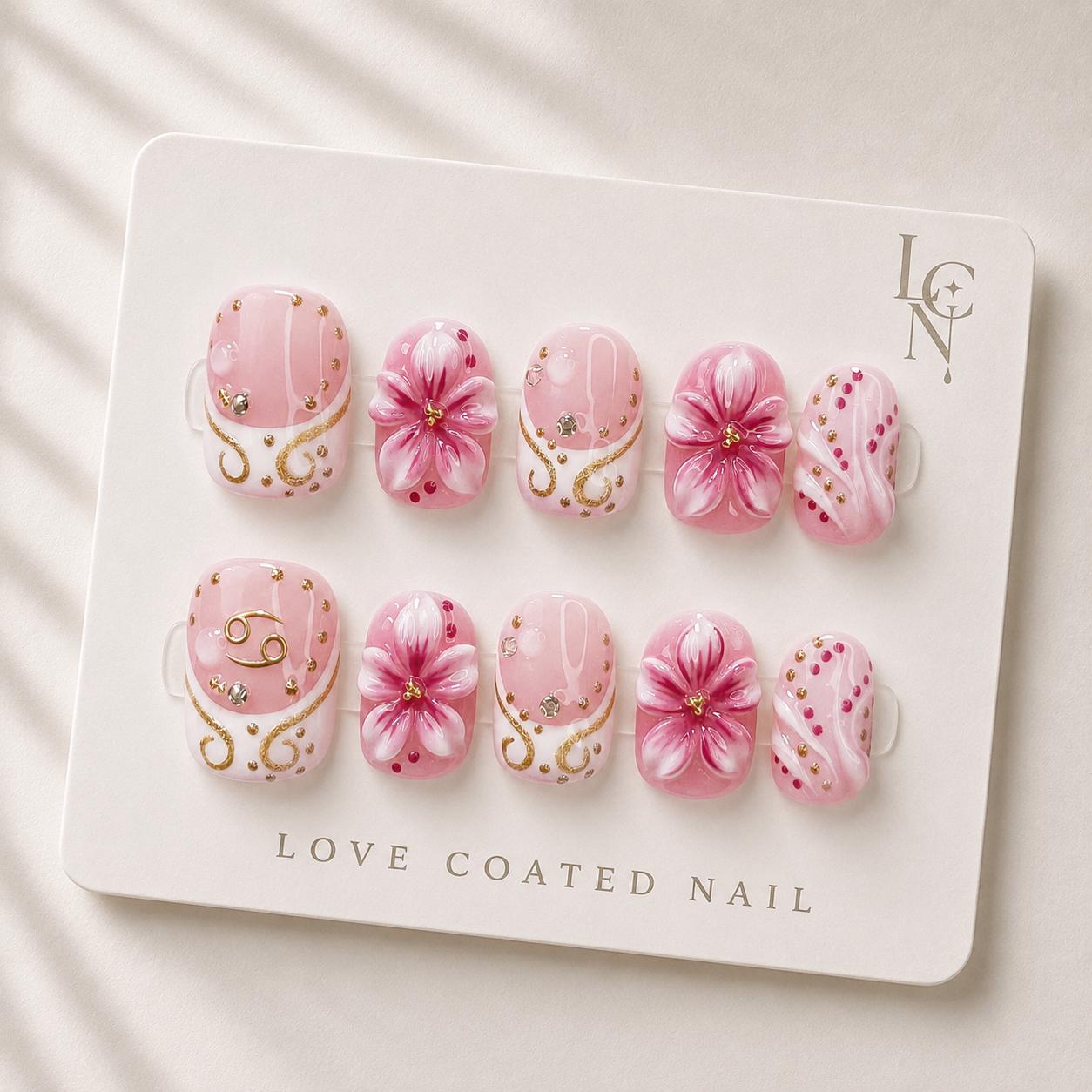
Soft gel press‑on nails are generally safe for most people, but those with sensitive skin should take a few extra precautions to avoid irritation. The gels used by Love Coated Nail are salon‑quality and free from obvious irritants, yet individual reactions can vary, so a brief patch test and mindful application are recommended.
Understanding the Materials in Soft Gel Press‑On Nails
Love Coated Nail’s Coquette collection is handcrafted from premium soft gel, professional gel colors, and a durable top coat. Soft gel is a polymer that cures under UV or LED light, creating a flexible yet sturdy layer. Unlike traditional acrylics, soft gel does not contain methyl methacrylate (MMA), a chemical that can cause allergic reactions in some users. The product description notes only “premium soft gel, professional gel colors, high‑quality embellishments, and durable salon‑quality top coats,” indicating that the formulation avoids common allergens such as formaldehyde and toluene. However, the exact ingredient list is not disclosed, so people with known sensitivities to specific polymer components should still proceed with caution.
Choosing the Right Adhesive for Sensitive Skin
Press‑on nails can be attached with adhesive tabs or nail glue. The included adhesive tabs are pre‑treated with a mild, water‑based adhesive that is generally well‑tolerated. Nail glue, on the other hand, often contains cyanoacrylate, which can cause a burning sensation or contact dermatitis in sensitive individuals. If you have a history of reacting to nail glue, stick with the adhesive tabs and replace them every 1–2 days as recommended. For those who prefer glue for longer wear, look for a medical‑grade, fragrance‑free cyanoacrylate formula and test a small amount on the inner wrist before applying to the nail bed.
How to Perform a Simple Patch Test
A patch test is the safest way to gauge your skin’s reaction to any new nail product. Apply a tiny amount of the soft gel (or a small piece of the press‑on nail) to the inner forearm or behind the ear, then cover with a bandage for 24 hours. If no redness, itching, or swelling occurs, the product is likely safe for your nails. Repeat the test with the adhesive tabs or glue you plan to use. This step adds only a few minutes to your preparation but can prevent an uncomfortable reaction later.
Practical Tips for Comfortable Wear
Even when the materials are hypoallergenic, the way you apply and remove the nails can affect skin sensitivity. Start with clean, dry nails and gently push back cuticles to create a smooth surface. Avoid over‑filing, which can thin the natural nail plate and increase irritation. When using adhesive tabs, press firmly for the recommended 10‑15 seconds to ensure a secure bond without needing extra glue. After removal, cleanse the nail bed with a mild, fragrance‑free cleanser and apply a nourishing cuticle oil to restore moisture.