
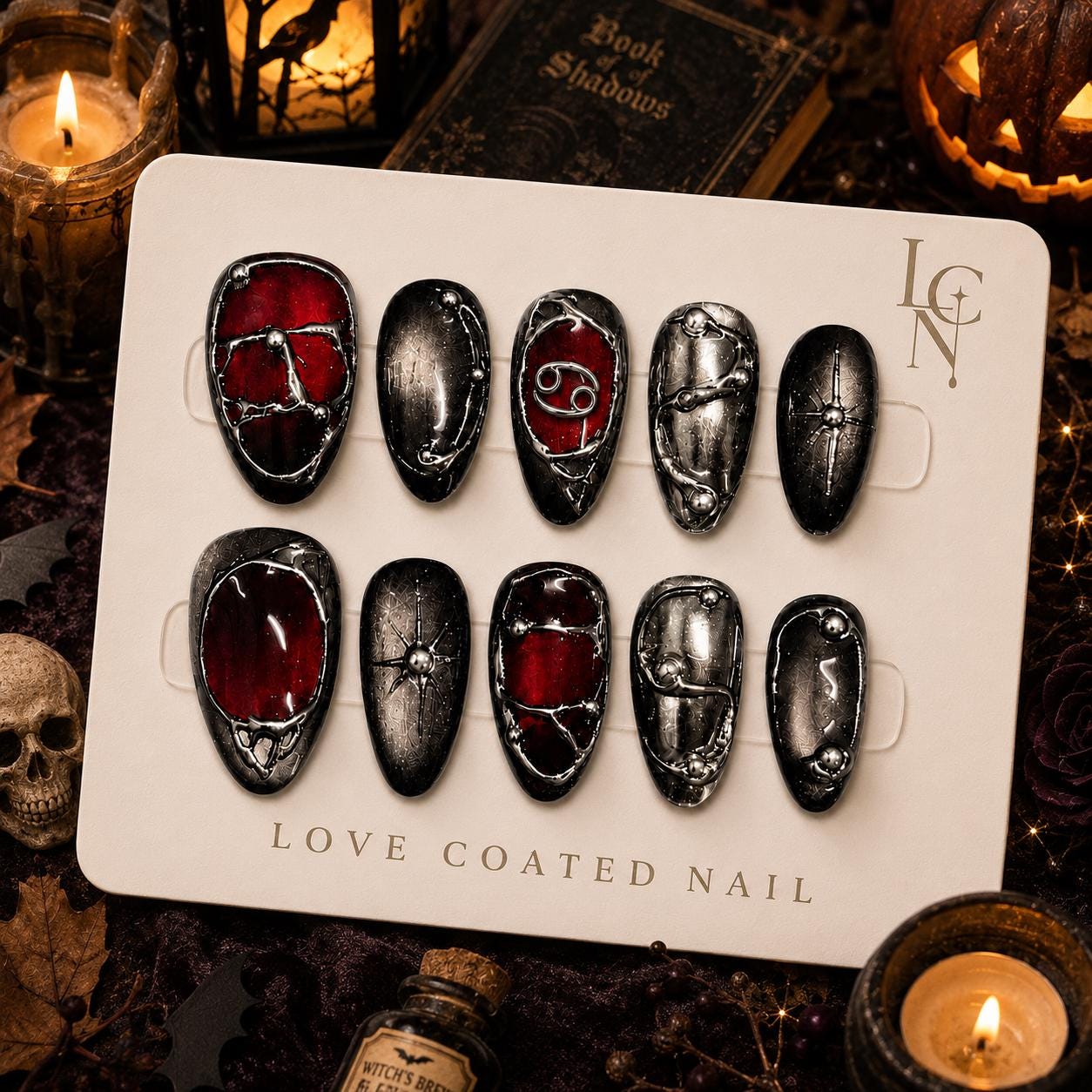
Soft‑gel press‑on nails can be used by people with nail‑allergy sensitivities during multi‑day events, but safety depends on the specific ingredients in the gel, the condition of the wearer’s natural nail, and proper preparation and removal techniques. If you avoid known allergens, conduct a patch test, and follow hygienic application practices, the risk of irritation is low enough for most short‑to‑moderate length events.
Understanding Soft‑Gel Composition
Soft gel used in press‑on nails is a polymerized acrylic‑based material that cures under UV or LED light. The base typically contains methacrylate monomers, photoinitiators, pigments, and stabilizers. In Love Coated Nail’s Halloween collection, the gel includes premium soft gel, chrome gel, jelly gel, metallic gel, UV gel, and a top coat. While the brand does not list every chemical, common components such as ethyl‑4‑dimethyl‑aminobenzoate (a photoinitiator) and various metal oxides for color can trigger reactions in highly sensitive individuals. The polymer matrix itself is inert for most users, but the additives that give the gothic colors their depth are where allergens are most likely to be found.
Common Allergens in Press‑On Nails
Research on nail‑product allergies highlights a few repeat offenders: hydroquinone (a bleaching agent), tosylamide‑formaldehyde resin, and certain aromatic amines used in pigments. Formaldehyde‑releasing compounds are especially problematic for people with a history of contact dermatitis on the nail plate. In addition, some users react to the adhesive tabs or glue, which often contain cyanoacrylate or resin‑based formulas. When planning a multi‑day event, the cumulative exposure from repeated application and removal can increase the chance of a delayed hypersensitivity reaction, even if the initial application feels fine.
Testing for Sensitivity Before a Multi‑Day Event
A simple patch test can reveal whether a specific soft‑gel set will cause trouble. Apply a small piece of the gel to the inner forearm or behind the ear, cover it with a bandage, and leave it for 24‑48 hours. Observe any redness, itching, or swelling. If a reaction occurs, consider an alternative product that advertises hypoallergenic or fragrance‑free formulations. For those who must use a particular set—such as Love Coated Nail’s custom gothic press‑ons—testing a single nail on a less visible finger a few days before the event can also provide a realistic preview of how the nail‑plate will respond over several days of wear.
Application Tips to Minimize Irritation
Even when the gel itself is not an allergen, improper preparation can create a barrier that traps moisture and promotes irritation. Clean the natural nail with an alcohol prep pad, as supplied, to remove oils and residual debris. Allow the nail surface to dry completely before applying the adhesive tab or glue. When using glue, apply a thin, even layer to avoid excess that could seep onto the skin. For multi‑day events, the adhesive tabs included with Love Coated Nail’s set are designed for 1‑2 days of wear; switching to a medical‑grade nail glue can extend hold time to 3‑4 weeks, but the longer exposure also raises the importance of monitoring for any signs of sensitisation.