
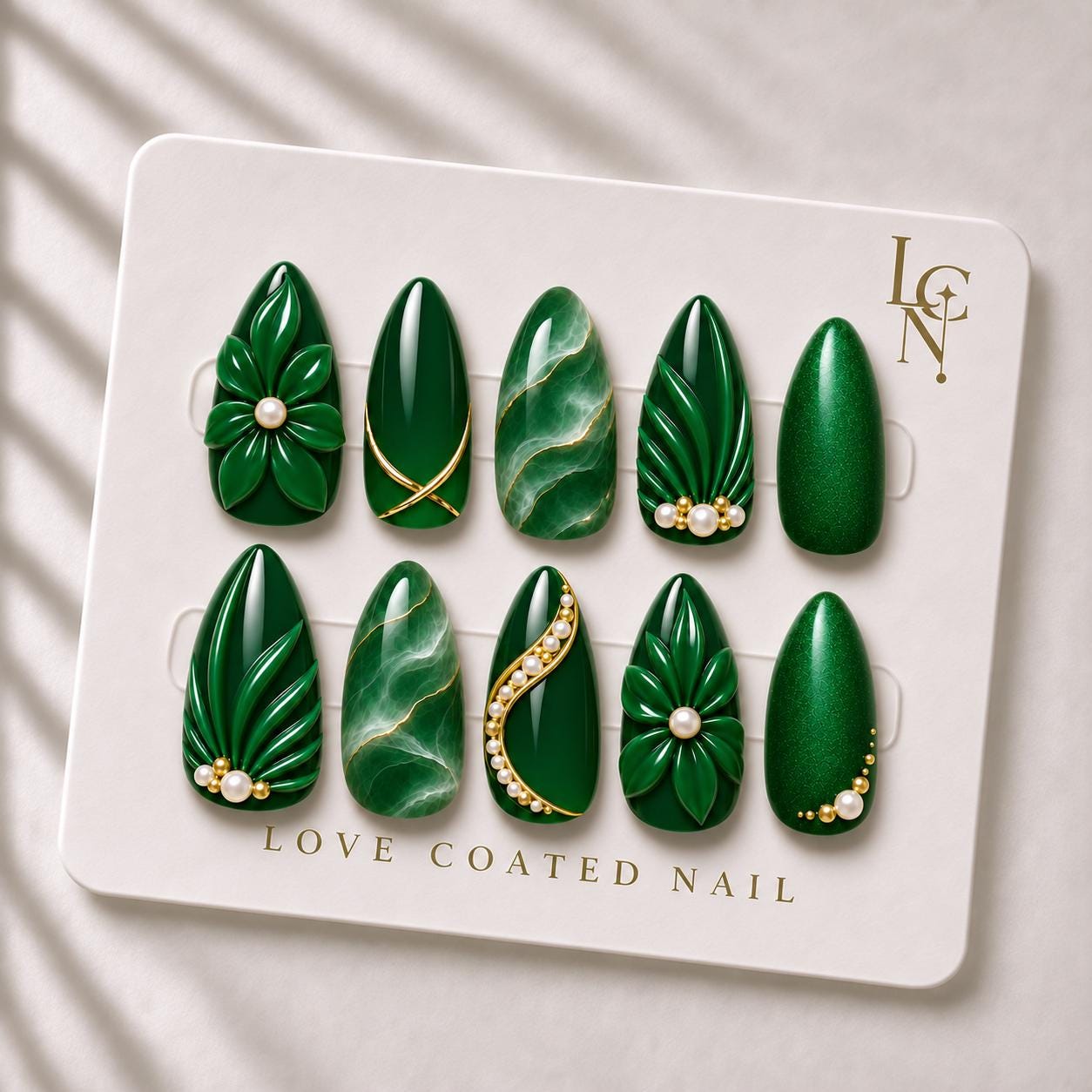
Premium salon‑quality ABS plastic press‑on nails are generally formulated to be skin‑friendly, but individuals with highly reactive or allergic skin may still experience irritation. The safest approach is to perform a brief patch test on a small area of skin before full application, and to monitor for redness, itching, or swelling during wear.
Understanding ABS Plastic in Press‑On Nails
ABS (acrylonitrile‑butadiene‑styrene) plastic is a thermoplastic polymer widely used in consumer products because of its strength, flexibility, and resistance to impact. In press‑on nails, ABS provides a sturdy base that can be shaped into almond‑style tips without cracking. From a dermatological perspective, ABS is considered inert; it does not release volatile organic compounds (VOCs) under normal conditions, and it rarely triggers allergic reactions. However, the surface of ABS can retain residues from the manufacturing process, such as lubricants or pigments, which may be sensitising for some users.
Manufacturers like Love Coated Nail typically rinse and cure the ABS components before assembly, reducing the likelihood of residual irritants. Still, people with a history of contact dermatitis to plastics should be cautious and may benefit from wiping the nails with an alcohol wipe—provided in the package—prior to application to remove any lingering particles.
Gel Polish and UV Curing Agents: What Sensitive Skin Should Know
Gel polish, UV gel, and builder gel are polymer‑based coatings that harden under UV or LED light. They create a glossy finish and add durability to the press‑on nail surface. The primary chemical groups in these gels are methacrylates, which are known sensitising agents for a subset of the population. While the cured gel is largely inert, uncured monomers can cause irritation if they come into direct contact with skin.
When using press‑on nails that include gel polish, it is important to ensure the curing process is complete. Incomplete curing can leave residual monomers on the nail surface, increasing the risk of a reaction. Users with sensitive skin should avoid prolonged skin contact with the gel layer, especially around the cuticle, and consider using a barrier cream on the surrounding skin before application.
Faux Pearls and Additional Materials: Potential Irritants
Faux pearls are typically made from a polymer core coated with a reflective film, often using mica or synthetic pigments to achieve their luster. These additives are generally low‑risk, but some individuals react to mica or certain colorants. The adhesive tabs and glue supplied with press‑on sets also contain polymers and sometimes fragrance additives that can be irritating.
Because the product description notes that the nails are reusable with proper care, users will likely remove and re‑apply the set multiple times. Each removal introduces a brief exposure to the adhesive residue, which can accumulate on the skin. For sensitive users, selecting adhesive tabs over glue may reduce exposure to potential allergens, as tabs typically contain fewer chemical components.