
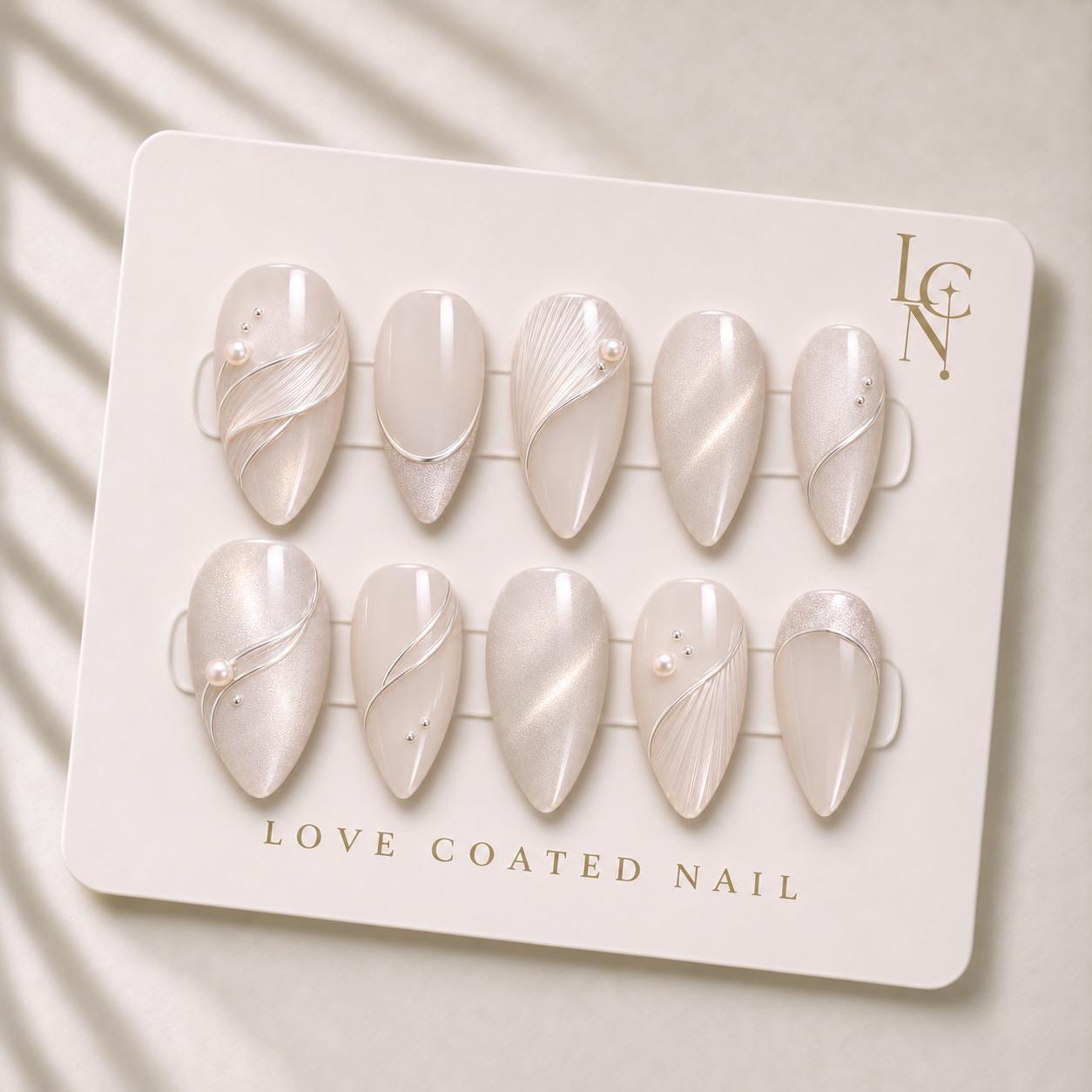
Yes, magnetic cat eye press‑on nails are generally safe for sensitive skin when you follow a simple patch‑test and use them as directed. The key is understanding the materials—cat eye gel and ABS plastic—and checking your skin’s reaction before a full application.
Understanding the Materials
The magnetic effect in cat eye press‑on nails comes from a thin layer of cat eye gel that contains iron oxide particles. This gel is sealed beneath a clear top coat and does not directly touch the skin. The base of each nail is made from ABS plastic, a sturdy polymer commonly used in medical devices and consumer products because it is non‑porous and hypoallergenic. While both components are considered low‑risk, individual sensitivities can vary, especially for people who react to metal particles or certain polymers.
Why a Patch‑Test Matters
A patch‑test lets you confirm that your skin tolerates the nail materials before committing to a full set. Even though the cat eye gel is encapsulated, some users experience mild irritation from the magnetic particles or the adhesive used to secure the nails. Performing a test reduces the chance of an unexpected rash or redness during a special event.
Simple Patch‑Test Method
1. Choose a small, discreet area of skin—such as the inner forearm or behind the ear. 2. Clean the spot with an alcohol wipe from the product package and let it dry. 3. Apply a single press‑on nail using the adhesive tab provided. Press firmly for the recommended time. 4. Wait 24 hours, observing the test area for any redness, itching, swelling, or a burning sensation. 5. If no reaction occurs, the nails are likely safe for you. If you notice any irritation, discontinue use and consider consulting a dermatologist.
Choosing the Right Adhesive for Sensitive Skin
The adhesive tabs included with Love Coated Nail’s cat eye set are formulated for quick, temporary wear. For those with very sensitive skin, the tabs are often gentler than liquid glue because they contain fewer chemicals. However, if you need longer wear, a hypoallergenic nail glue—clearly labeled as such—can be an alternative, provided you test it separately using the same patch‑test steps.
Caring for Your Nails to Minimize Irritation
Even after a successful patch‑test, proper after‑care helps keep irritation at bay. Keep the nails clean and dry, especially during the first few hours. Avoid prolonged exposure to water, harsh soaps, or abrasive activities that could weaken the adhesive and cause the nail to lift, exposing the skin to the underlying material. When you’re ready to remove the nails, soak them in warm water with a gentle cleanser rather than pulling them off, which can tug at the skin.
When to Seek Professional Advice
If you have a known allergy to metals, plastics, or specific adhesives, or if you experience persistent irritation after using press‑on nails, it’s best to consult a dermatologist. They can perform a more comprehensive allergy test and recommend suitable alternatives, such as custom‑made acrylics or gel extensions applied in a professional setting.